
Could Post-Partum Depression Be Linked to Copper?
Another Look at an Old Theory

Is Post-Partum depression a copper overdose ?
I admit that I have some strange questions and that I may be a little old-fashioned. But while some people are being lobotomised by the daily grind of commuting, working and sleeping, others are wondering about the little machine that rules the world. Join me on a journey of thought-provoking reflections.
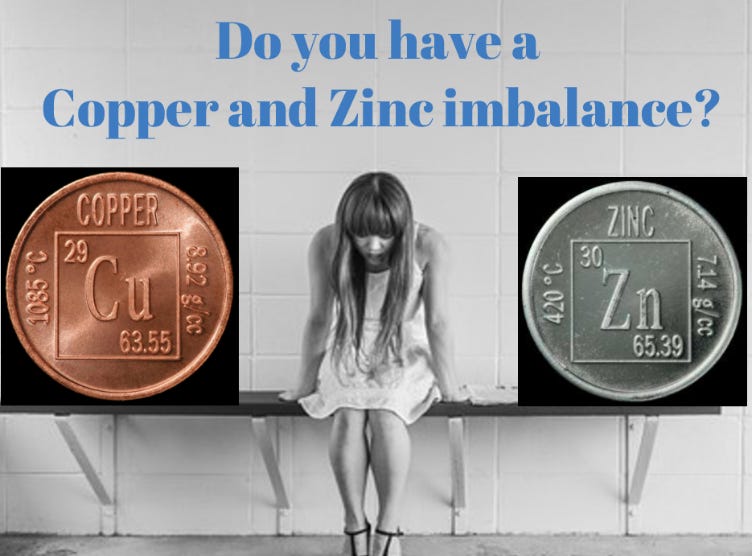
As some people here already know, I spent over a year translating Walsh’s protocol into French for French researchers. It is a huge nutritional biochemistry protocol on behavioural disorders, from ADHD to depression to violent outbursts in children, etc. I was completely absorbed by this work, which fascinated me and occupied many of my thoughts.
It is the largest biochemical database in the world on the subject. William Walsh has compiled more than 30,000 individual biochemical files, with more than 120 markers for each individual. These range from vitamin D levels to cholesterol levels, mineral levels, etc.
Walsh’s database includes many pregnant women and cases of postpartum depression. They have isolated certain biochemical markers to try to explain the cause of this mysterious illness. Walsh is solely interested in nutritional imbalances, which can have a significant impact on the human brain. He has demonstrated that women affected by postpartum depression have certain abnormal biochemical traits and has developed a theory on the subject.
He has focused on a very strange hypothesis: postpartum depressioncould simply be an overdose of copper. Anyone familiar with the subject of zinc-copper balance knows that it is very important and can have profound effects on physical and mental balance.
This hypothesis is considered quackery by the medical world and requires conceptual abstraction, even a giant leap in medical and scientific methodology. Let me explain.
The two-time Nobel Prize winner and father of modern chemistry, Linus Pauling, did a great deal of work on nutrients at the end of his life. As many of you already know. One of his quotes on the subject is well known. He said that “you can trace every sickness and every ailment to a mineral or a nutrient deficiency”
He had done a lot of work on zinc in particular, and its role in strengthening the immune system. To do this, he drew on the work of Carl Pfeiffer, an American psychiatrist and researcher at Princeton University. Pfeiffer was interested in micronutrients and their role in brain function. He believed that this mineral could play a role in the etiology (development) of schizophrenia, which was his favorite subject. He even wrote a book about it.
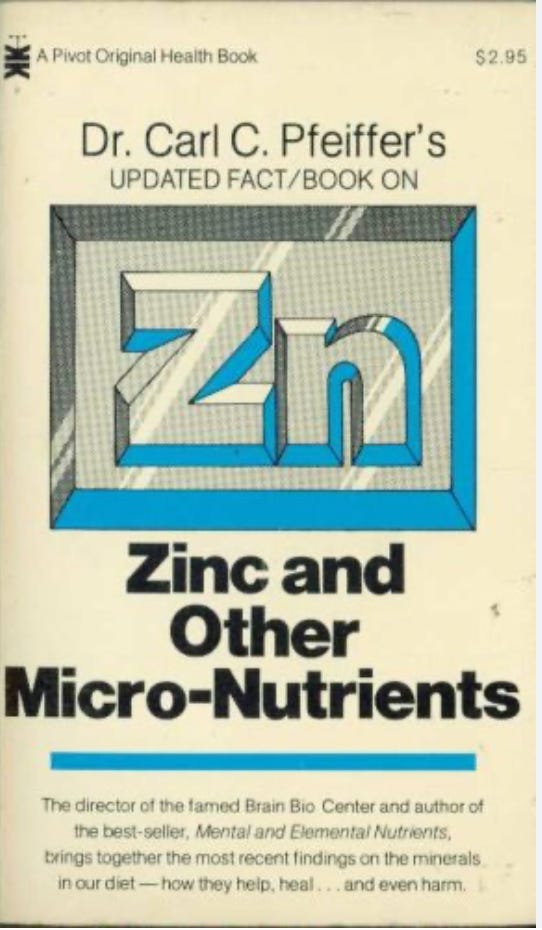
Pfeiffer’s work had a significant impact at the time and inspired other researchers. He demonstrated that many patients had abnormal levels of copper and zinc in their blood and tissues. In particular, he identified a group of patients with extremely high levels of copper in their tissues who exhibited highly erratic and sometimes disturbing behavioral symptoms. To fit into traditional medical categories, these patients were often labeled as schizophrenic, but Pfeiffer went further and did not think in those terms.
Because of the inverse relationship between zinc and copper absorption in the body, he came up with the idea of giving these patients high doses of zinc, and often got pretty impressive remissions and symptom clearance. If someone has high copper levels in their tissues, they’ll usually be deficient in zinc, and vice versa.
Most of these patients were women and had all been involved with psychiatric institutions from an early age. This cohort included a significant number of pregnant women who had developed psychosis and depression in a postpartum context.
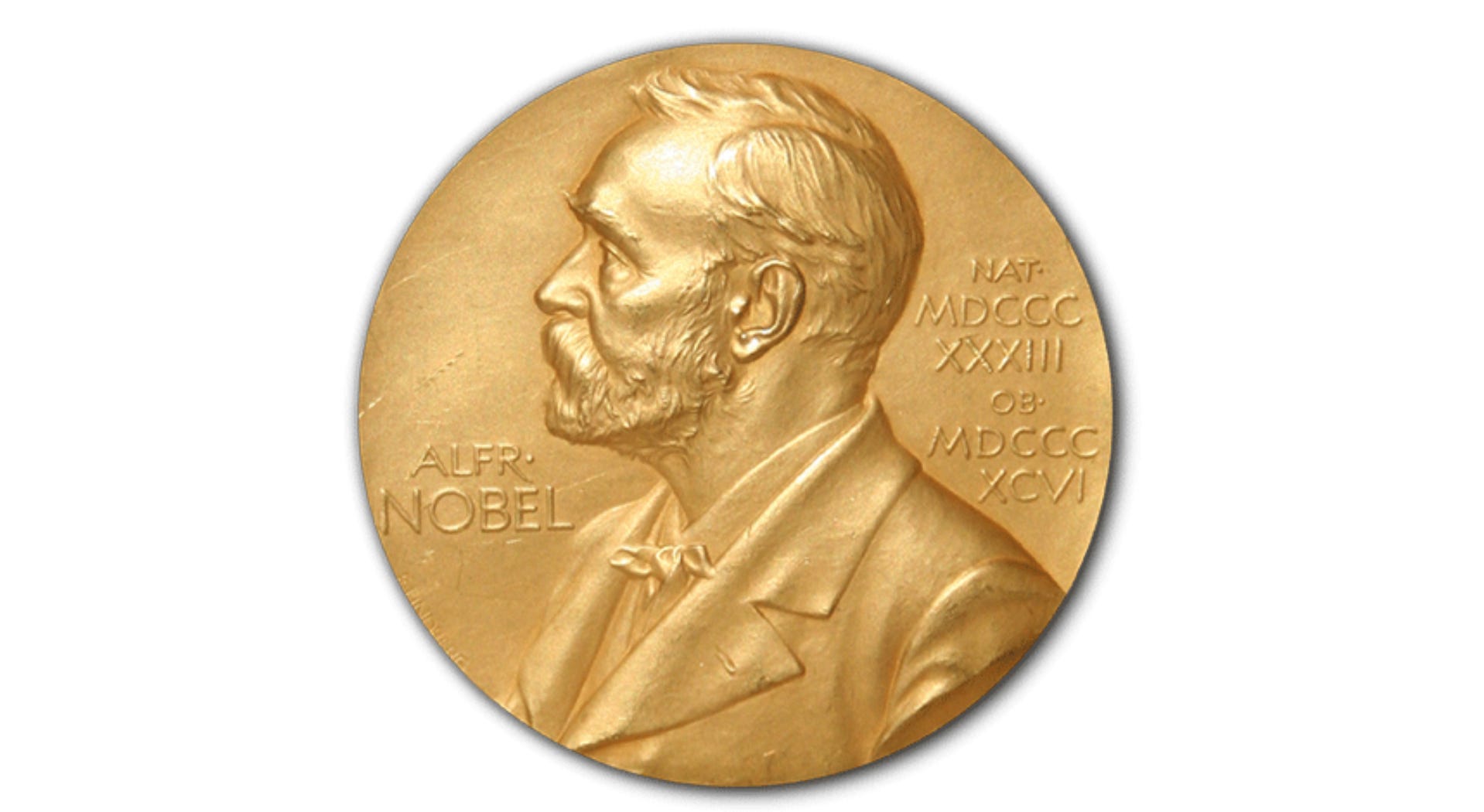
A look at the Walsh-Pfeiffer approach : nomination to the Nobel Prize
A look back at the Walsh-Pfeiffer classification of psychiatric disorders:
- under-methylation
- over-methylation
- copper overdose
- pyrrole disorder
- heavy metal accumulation
It is important to revisit this classification, as it helps to understand the difference in perspective between conventional medicine and functional medicine. Things like anxiety and depression are not actually one and the same disease. My year spent translating this work convinced me of this. We note that depending on which profile they belong to, people do not have exactly the same symptoms.
I will not go into detail about this in this section, and will write an entire article on the subject.
The ‘copper overdose’ category concerns 95% of women, particularly those who have recently given birth. This will be the subject of this article here. I’m personally convinced that Walsh’s intuition is right about this.
Pfeiffer’s work was continued by an American biochemist, William Walsh, who had worked at Los Alamos in the 1980s. He was Pfeiffer’s collaborator at the time and was working on micronutrients. He conducted studies on pregnant women and measured their copper levels in the body, performing very detailed hair analyses. He followed Pfeiffer’s initial intuition and verified it.
He published research on the subject and treated women suffering from postpartum depression with moderately high doses of zinc (30 to 75mg/day) in order to remove copper from their bodies and tissues.
It is now widely accepted that excessive levels of copper in the brain can disrupt the concentration and synthesis of certain neurotransmitters. This contributes to influencing patients’ behavior and perceptions. Copperoverdose is often correlated with extreme irritability, anxiety, psychosis, and even hallucinations in at-risk individuals.
The idea is that these people probably have a genetic mutation that prevents them from properly metabolizing copper and eliminating it from the body, which predisposes them to accumulation in the body. If this rare genetic disorder is not detected, it can lead to various health problems and disturbing symptoms, which are not always related to it. Conventional medical practice is not accustomed to checking for this, except in certain specialties.
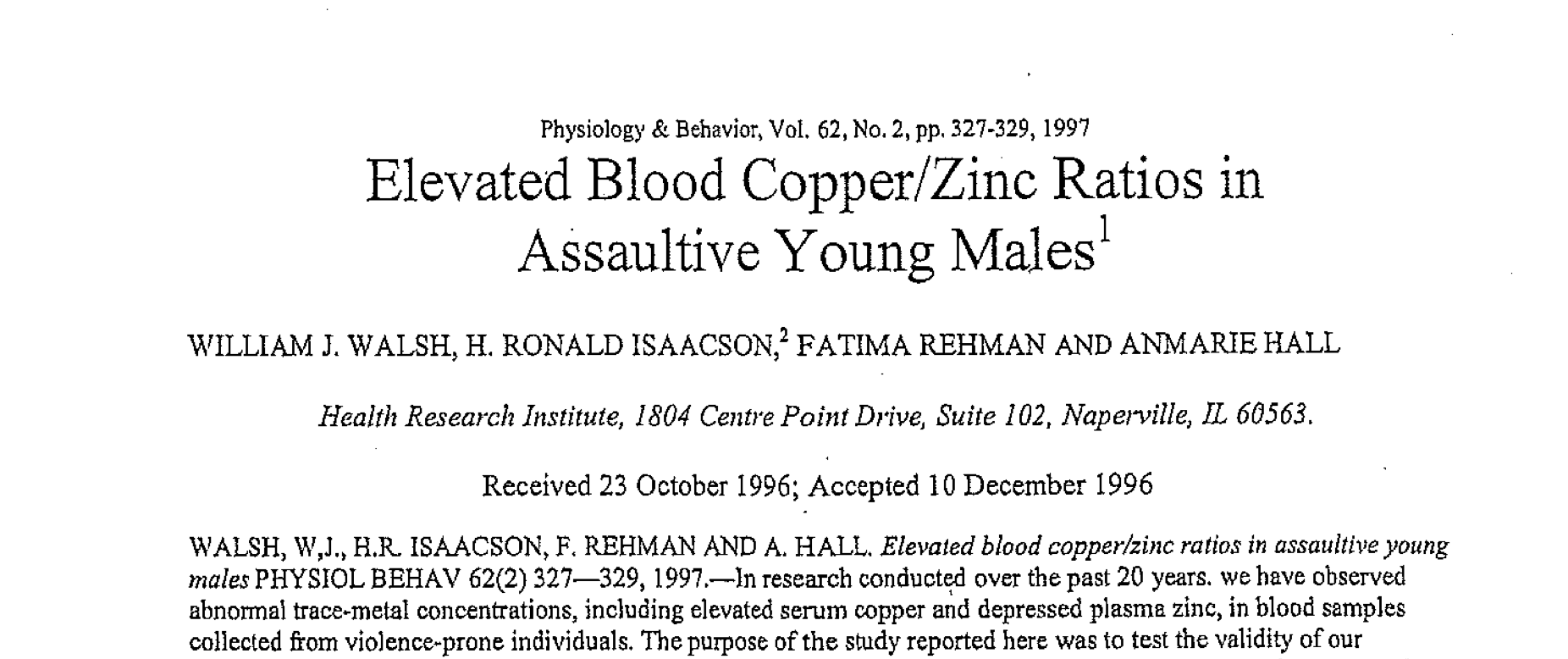
Here is William Walsh’s main study on the subject, in which he presents more than 10 years of work on the topic. This work has remained relatively marginal within conventional medicine, which tends to focus heavily on the brain alone. Walsh believes that a portion of the population is highly vulnerable to postpartum depression due to genetic factors. This makes perfect sense from a scientific point of view.

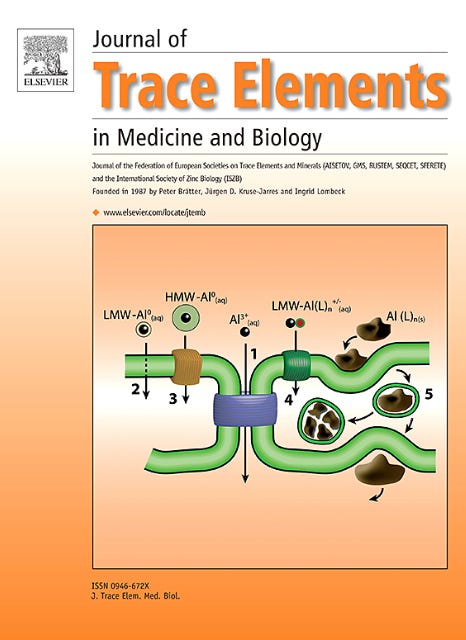
This study investigated serum copper (Cu) and zinc (Zn) levels in three groups of women: those with a history of postpartum depression (PPD), those with depression but no PPD, and non-depressed controls. Results showed that women with prior PPD had significantly higher Cu levels (≈131 µg/dL) compared with depressed non-PPD women (≈111 µg/dL) and controls (≈106 µg/dL). Zinc levels did not differ significantly across groups. Consequently, the Cu/Zn ratio was also elevated in the PPD group, suggesting a potential imbalance in trace metals. The authors note that while an association exists, causality cannot be assumed.
Elevated copper could be a contributing factor to PPD, or simply a result of underlying processes linked to the disorder. Since copper is involved in enzymatic activity, oxidative stress, and hormone regulation, its excess may influence brain and mood pathways. The findings highlight copper as a possible biomarker for PPD risk. However, the study is limited by its retrospective design. Further prospective studies are needed to confirm the role of copper in postpartum mood disorders. In my opinion, the accumulation of copper could really be a direct cause of the onset of the disease and not only a simple correlation. If blood levels are high, then we can assume that tissue levels are also very high. In any case, it seems logical and plausible.
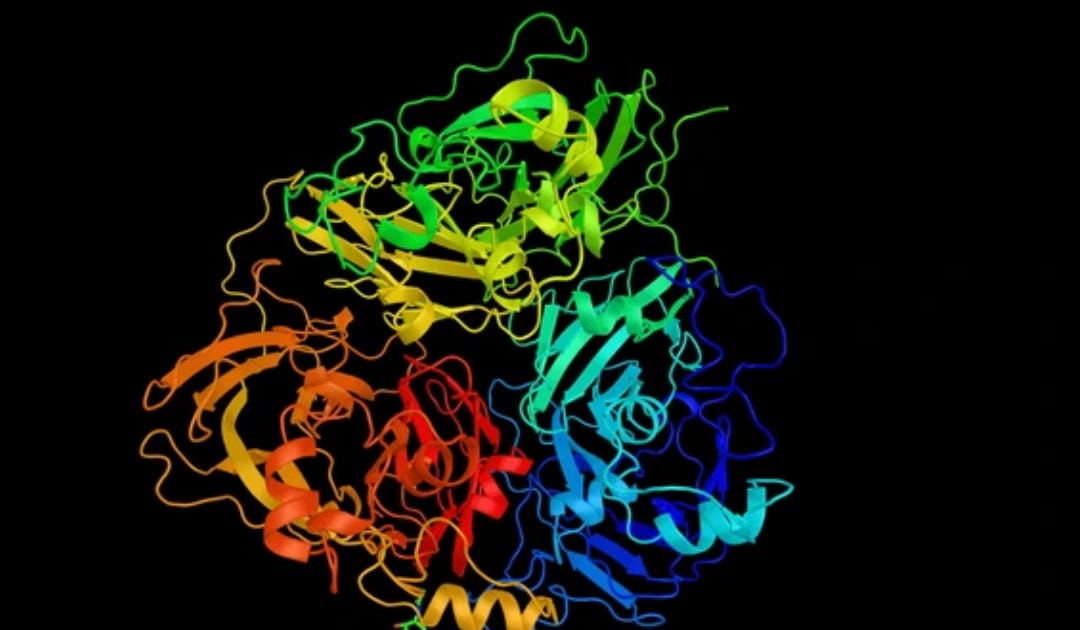
Copper and zinc are two tiny minerals that the brain needs, but they must stay in balance. Copper travels in the blood mostly attached to a protein called ceruloplasmin, which works like a safe carrier and also helps manage iron. When copper is well-bound, it supports important brain enzymes, but if there’s too much “free” copper, it can cause stress and damage to brain cells. Zinc acts a bit like copper’s counterweight: it competes with copper and protects the brain by supporting antioxidants and healthy nerve signals.
If ceruloplasmin doesn’t work properly, copper can build up in a toxic form, and zinc balance is also disturbed. This imbalance between copper and zinc is linked to mood problems, memory issues, and even diseases like Alzheimer’s. When everything works well, ceruloplasmin keeps copper in check, while zinc makes sure copper doesn’t take over. Together, they form a team that protects the brain’s balance and health. Understanding how ceruloplasmin work is absolutely essential in order to know how to supplement, how to keep copper and zinc into balance, etc.
As with everything in life, you have to find your balance. Biochemistry is the most precise and sensitive Swiss clock in the world.
However, the role of nutrients in brain function is a relatively understudied area. As these compounds cannot be patented, little money is spent on research. This is regrettable. After all, every cell in our body is made up of nutrients; not a single cell in our body is made up of drugs.
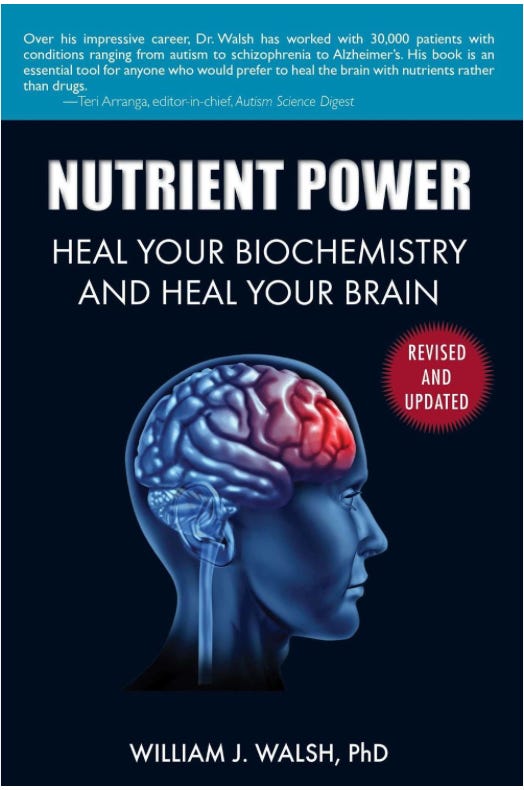
For anyone interested, the book Nutrient Power can be very useful. It is in this book that Walsh’s theory is explained. High copper levels means there is low level of zinc in the tissues. However, the brain seems to be very sensitive to small nutritional imbalances due to its metabolic role in the body. This idea follows Linus Pauling’s initial intuition about the brain’s metabolism.
Wilson’s disease is the main disorder associated with severe copper accumulation, and it is often associated with serious behavioral disorders. It is often well controlled with high doses of zinc.
These individuals require these doses due to their genetic mutation (often linked to the ATP7B gene). Their inability to excrete copper allows them to tolerate very high doses of zinc.
It should be noted that in individuals without this mutation, excessive doses of zinc tend to cause copper anemia. This must be avoided at all costs if you want to continue walking and not fall while running. Copper levels in the brain play a significant role in the sense of balance.
The symptoms are relatively simple :
Pharmacologically, copper overdose causes a drop in dopamine levels and a significant increase in norepinephrine (adrenaline), which predisposes the person to several things:
- Extreme irritability
- Physical and mental agitation
- Oxidative stress
- Inattention and ADHD-like symptoms
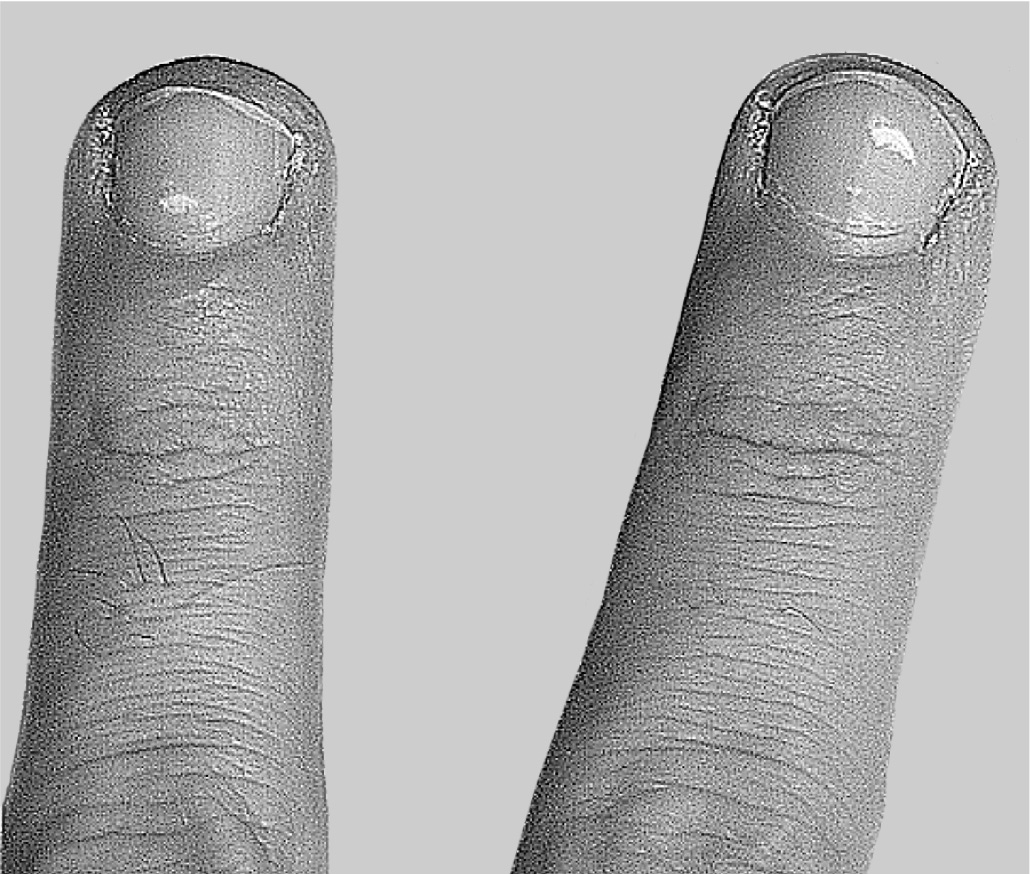
Walsh noted other things that are typical of people with severe zinc deficiency, including “Beau’s lines,” the medical and dermatological term for small white spots and pores on the nails. This is the most important sign to check for. The more white marks you have, the more severe the deficiency is. In theory.
In terms of patient history, there is often a more or less serious psychiatric and behavioral past. People are often described as having erratic, irritable, and diffuse behavior. These disorders often began after an event related to hormonal changes (puberty, introduction of the pill, motherhood, menopause, etc.).
In these individuals, pregnancy was often accompanied by behavioral problems. Or were aggravated at that time. This seems to be extremely common. These women often had some kind of skin reaction to poor-quality jewelry and cheap metals. The reason for this reaction is unclear, but it seems to be a constant among people with genetically acquired copper toxicity.
While writing this article, I sought to learn more. It seems that copper may play a kind of “sensitizing” role in interactions with other metals. If a person has very high levels of copper in their tissues, it seems logical that they would be more sensitive to the friction caused by certain metals on their skin. In any case, this is the idea put forward in some articles on “systemic contact dermatitis,” (SCD) a medical condition with a barbaric name that refers to major skin irritation.
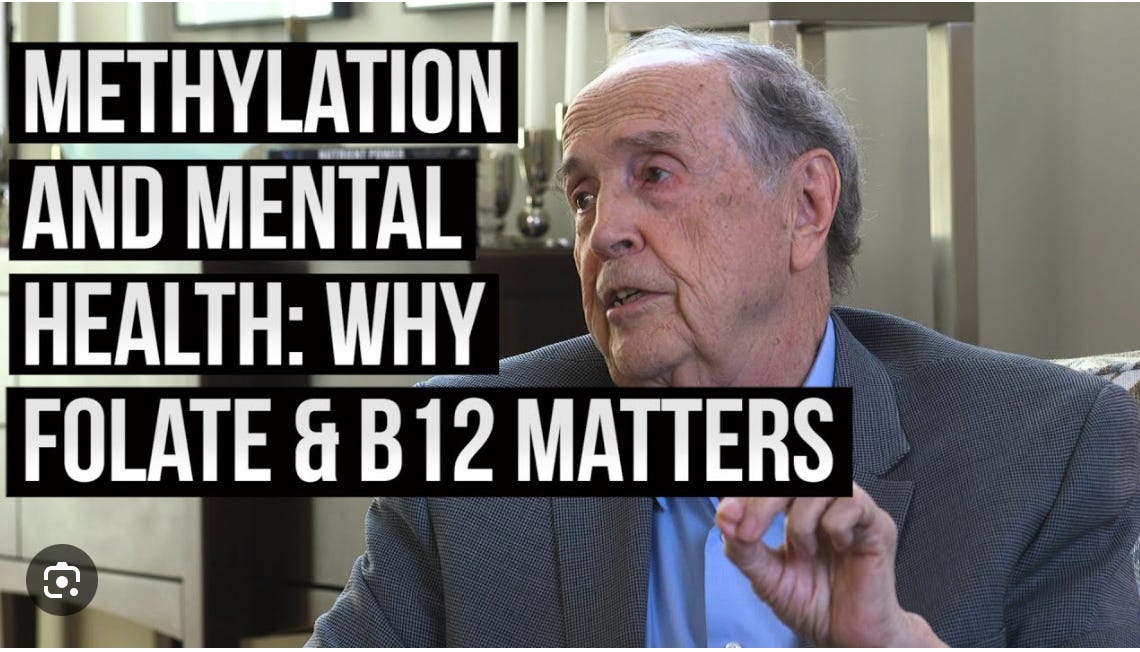
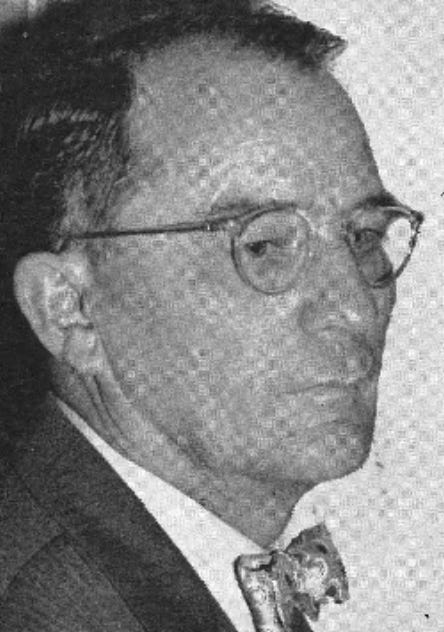
If true, William Walsh‘s observation would be a very good example of orthomolecular therapy, as described by Linus Pauling in his 1968 article in the journal Science. Due to their biochemical individuality and unique biological architecture, these people need a higher dose of a nutrient, in this case zinc. This genetic mutation targeting copper metabolism predisposes them to a buildup that is dangerous to their health, requiring therapeutic intervention to counteract the problem.
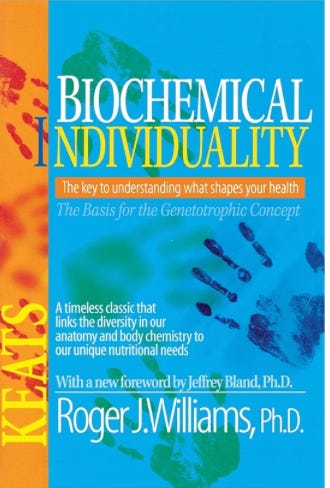
Because of this mutation, they tolerate high doses of zinc and can take it indefinitely. This is an excellent example of orthomolecular reasoning based on biochemical individuality, a concept developed in Roger Williams‘ eponymous book.
The rationale behind this relationship : explanation
Copper appears to play a subtle but important role in the biology of postpartum depression (PPD). During pregnancy, copper levels naturally rise as ceruloplasmin increases under the influence of estrogen. This is usually a protective mechanism, supporting oxidative enzymes and iron metabolism.
However, in some women, copper levels remain abnormally high after delivery instead of returning to baseline. This persistence of elevated copper may contribute to oxidative stress in the brain. Free copper, when not properly bound to ceruloplasmin, is especially reactive and damaging.
It can interfere with neurotransmitters such as dopamine and serotonin, which are crucial for mood regulation. Zinc deficiency or imbalance can worsen this problem, since zinc normally counterbalances copper. Studies show that women with a history of PPD tend to have higher serum copper compared to controls.
This suggests that copper overload might be a biomarker for vulnerability. Still, correlation does not equal causation, and the exact mechanism remains unclear.
It is possible that copper elevation is a consequence rather than a cause of mood changes.
Genetic variations in copper-transport genes (like ATP7B or CP) may also contribute to dysregulation. The role of ceruloplasmin activity is another key factor often overlooked in studies.
If copper is high but ceruloplasmin is low, free copper toxicity becomes more likely.
Nutritional approaches focusing on zinc support, antioxidant defenses, and copper balance could be relevant.
Treatment plan and protocol :
To treat these people, William Walsh used several nutrients:
- zinc (25 to 75mg of zinc citrate)
- vitamin C (ascorbic acid) - 2 grams
- no copper in the diet
- selenium and NAC (antioxidant support)
Often, people experience worsening symptoms after one to two months of treatment, as copper in the tissues is extracted and returns to the bloodstream, which can aggravate the situation. Due to their presumed genetic mutation, these individuals tolerate high doses of zinc very well, which would cause copper anaemia in normal people. This is not the case for women suffering from PPD. This is an interesting observation.
At the same time, monitoring copper status before and after childbirth may help identify at-risk women. Future research should include longitudinal studies tracking trace metals during pregnancy and postpartum. Understanding copper’s place in this equation could open the door to new preventive strategies. Ultimately, copper balance may be a missing link in the complex puzzle of postpartum depression.
The book of Walsh about this is very interesting and should be part of anybody’s library, if you are interested in biochemistry and brain science.
Here is a small table generated by ChatGpt, which summarizes in detail the problems that copper overdose can cause to the brain and neurotransmitters :
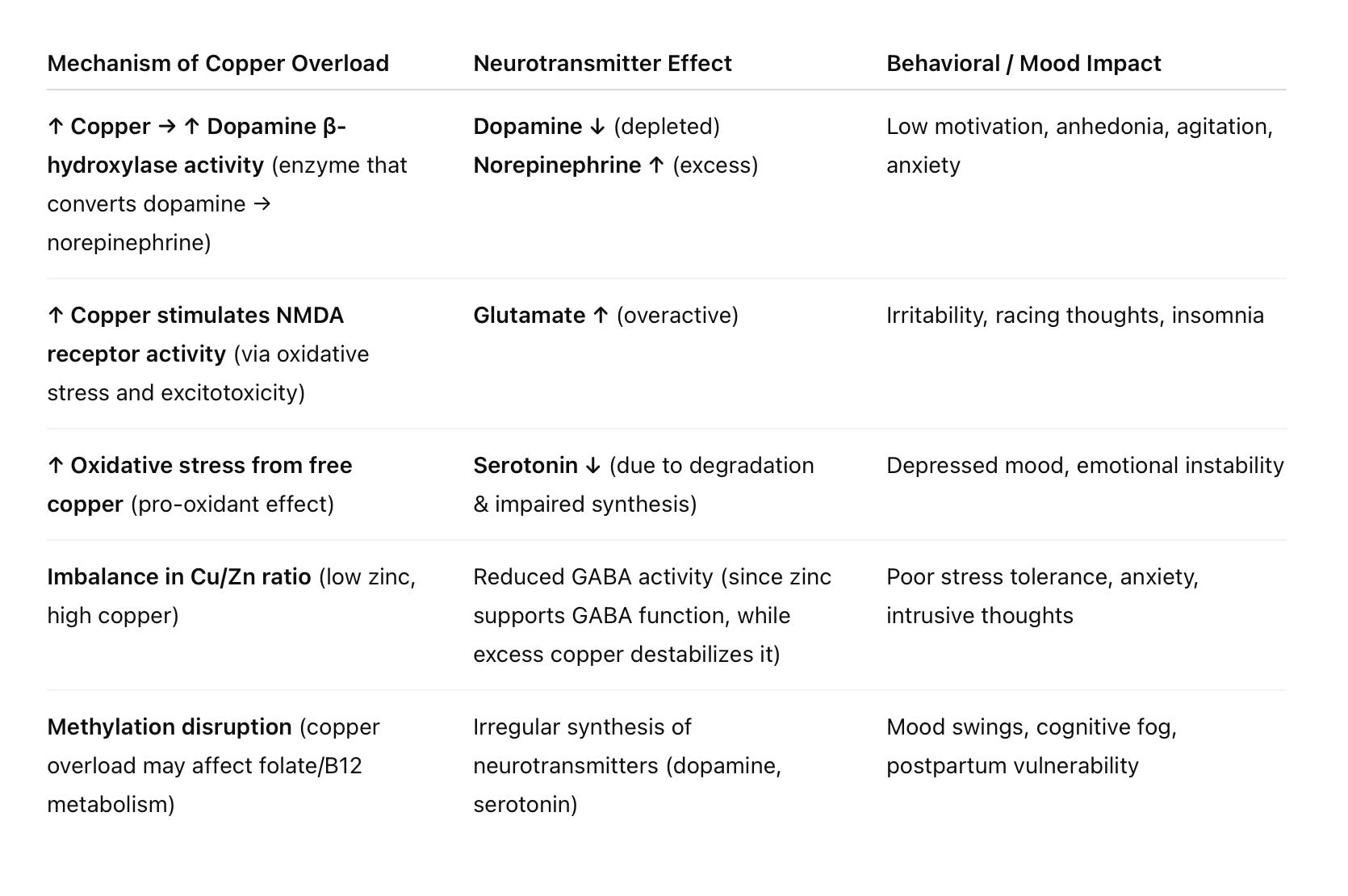

Conventional medicine tends to view depression as a single, isolated clinical entity, based solely on an imbalance of neurotransmitters (e.g., serotonin, etc.). The goal of people like Walsh is to trace the etiology, like tracing a river upstream. It is difficult and time-consuming. Since this work is largely based on biochemistry rather than medicine in the strict sense, these theories do not always make sense. Walsh’s work has led him to believe that depression, anxiety, and other medical labels are in fact several disorders and diseases. Conventional medicine, however, operates on the basis that they are a single entity, derived from the monoamine theory.
In reality, depending on an individual’s genetic makeup, this theory may be more or less true. Let’s remain cautious.
I hope you enjoyed this article. These are topics that fascinate me and occupy a large part of my daily thinking. It is important to understand that more research is needed to establish a real and solid causal link between PPD and copper levels in the blood. But I know that I am followed by many doctors and that some have already subscribed to my work and my premium formulas. I know that “naturopaths” often tend to be seen as critics of the medical world and the pharmaceutical industry.
But that’s not what this is about. I believe that the body’s need for nutrients is a very serious subject that remains to be explored. The entire orthomolecular approach, based on the work of the people mentioned above, completely challenges the myth of the “well-balanced diet” that provides all the nutrients people need. This is why their work was labeled as quackery in the 1960s. But many current discoveries seem to vindicate their positions and fundamental assumptions.
American psychiatrist Courtney Snyder has published a fascinating video on copper accumulation and has described its various symptoms well. She too has been greatly influenced by the work of William Walsh and had the opportunity to meet him in person. I strongly encourage anyone reading my article to watch her videos to get an overview of this biotype.
With advances in artificial intelligence and its ability to process increasing amounts of data, I enjoy asking it to compare scientific meta-analyses and verify old medical theories. I am sometimes surprised by ChatGpt’s results and conclusions. I have obtained some clarification on the veracity of this theory.
If we analyse the changes in nutritional requirements in the body of a pregnant woman, we can see that copper accumulation is a very good candidate for explaining postpartum depression. This theory is debated and little known in the medical world.
If you know any doctors or people who might be interested in this content, please feel free to send it to them. I would be very grateful. That’s why I’ve decided to keep this article free and accessible. I’ll probably do the same for my future articles, making them premium only two weeks after publication. So grab your notepad and take notes.
I hope that readers will keep an open and passionate mind. That is the only way to move forward. Feel free to comment.

Sources :
Crayton, J. W., & Walsh, W. J. (2007). Elevated serum copper levels in women with a history of post-partum depression. Journal of Trace Elements in Medicine and Biology, 21(1), 17-21. PubMed
Etebary, S., Nikseresht, S., Sadeghipour, H. R., & Zarrindast, M. R. (2010). Postpartum Depression and Role of Serum Trace Elements. Iranian Journal of Psychiatry, 5(2), 40-46. PMC+1
Chen, Jinhua; Song, Wenping; Zhang, Wenzhou. (2023). The Emerging Role of Copper in Depression. Frontiers in Neuroscience, 17. Frontiers+1
Styczeń, K., Sowa-Kućma, M., Siwek, M., Dudek, D., Reczyński, W., Misztak, P., … Nowak, G. (2016). Study of the Serum Copper Levels in Patients with Major Depressive Disorder. Biological Trace Element Research, 174, 287-293. SpringerLink
Ghasemi, M., Montaser-Kouhsari, L., Shafaroodi, H., Nezami, B. G., Ebrahimi, F., & Dehpour, A. R. (2010). Postpartum Depression and Role of Serum Trace Elements. IJPS (Iranian Journal of Psychiatry and Clinical Psychology)